Religious Places For Divine Blessings
1. Vaishno Devi - The Holy Caves
 Book your tickets here!
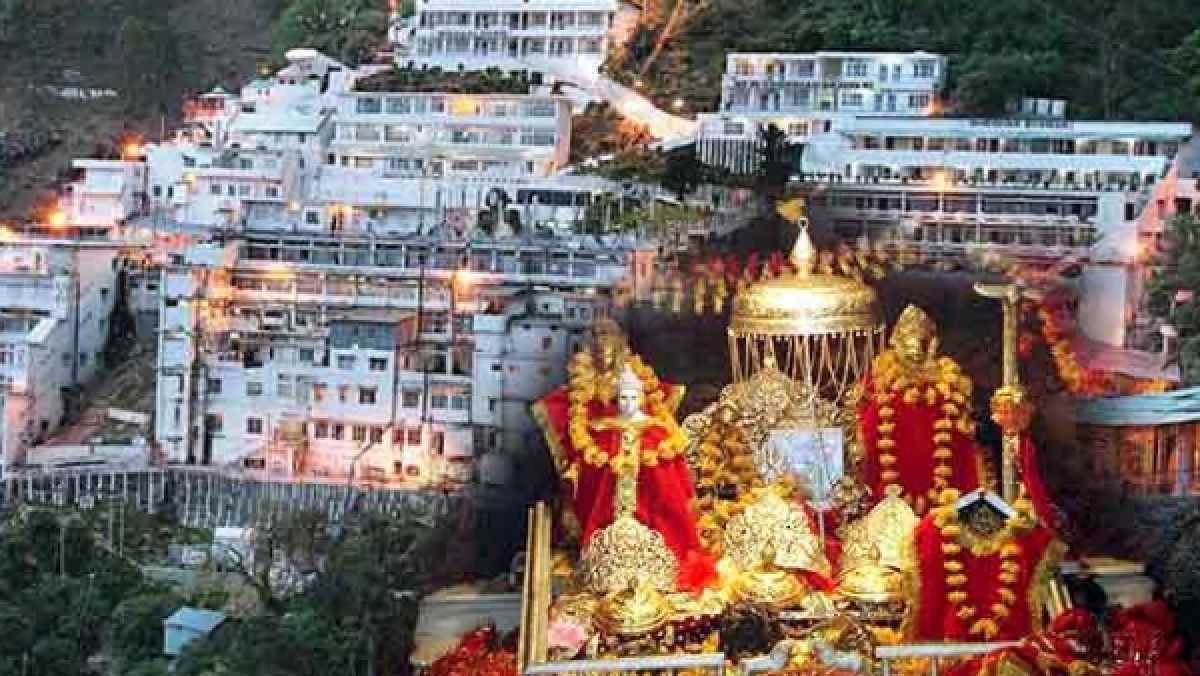
Located in Trikuta hills, 13 kms from Katra (in Jammu and Kashmir); Vaishno Devi is a town that's home to the famous Vaishno Devi Mandir. This renowned shrine allures millions of devotees from all over the world. Popularly known as Mata Rani, Vaishnavi and Trikuta, Vaishno Devi is a manifestation of the Hindu Goddess Durga. It is believed that during the pooja and aarti, Goddesses arrive at the Holy cave to pay their respect to Mata Rani. Devotees believe goddess herself calls the devotees to reach here.
Vaishno Devi is said to be Moonh Maangi Muradein Poori Karne Wali Mata (the mother who fulfils the wishes of her children). The Devotees believe goddess herself calls them to reach here. The darshan of Maa Vaishno Devi in the holy cave is in the form of three naturally formed rocks which are known as pindies. These pindies manifest the three forms of the goddess as Maha Kali, Maha Saraswati and Maha Lakshmi.
Vaishno Devi is a religious trekking destination which is managed by the Holy shrine board incepted in 1986. To reach the mandir, pilgrims walk about 13km uphill to reach the caves which are among one of the 108 Shakti Peetha. It takes about 6-9 hours depending on the weather and pace. Ponies and Palanquins, as well as helicopter services, are available by various vendors to take you up there. The whole way is decently paved with lots of shops selling snacks, food and religious goods. More than one crore devotees visit Vaishno Devi temple each year.
2. Ajmer Sharif Dargah - A Holy Place
 Book your tickets here!
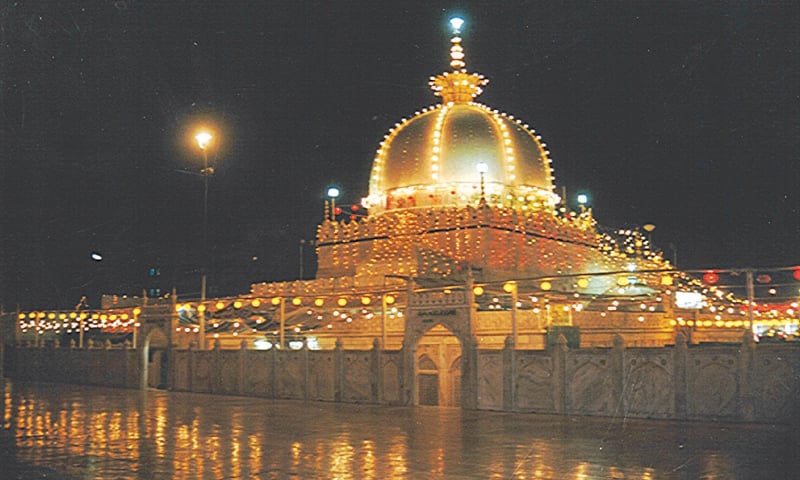
Ajmer Sharif Dargah, also known as Ajmer Dargah, is the tomb of Moinuddin Chishti is one of the holiest places of worship in India not only for the Muslims but followers of every faith. Being the final resting place of the Khwaja Moin-ud-din Chisti, it has had an enormous contribution in spreading the ethical and spiritual values of Islam amongst masses.
Khwaja Moin-ud-din Chisti was a great Sufi Saint and dedicated his entire life for the upliftment of the poor and downtrodden. The shrine is visited by millions of people every year, as it is considered very sacred by people of all the religions. Ajmer Sharif was built by the Mughal Emperor Humayun, hence justifying the rich Mughal Architecture. The Dargah has various constituents like tombs, courtyards and Daalaans. The major among these structures are- Nizam Gate, Buland Darwaza, Jama Masjid, Aulia Masjid, Dargah Shrine, Mehfilkhana and about a dozen of other prominent establishments.
One can spot two huge cauldrons in the inner courtyard of the shrine. These containers have a capacity of 2240 kg and 4480 kg and are used during special occasions to cook sweet delicacies like Kheer.
3. Amritsar - Gateway to Punjab, home to Golden Temple
 Book your tickets here!
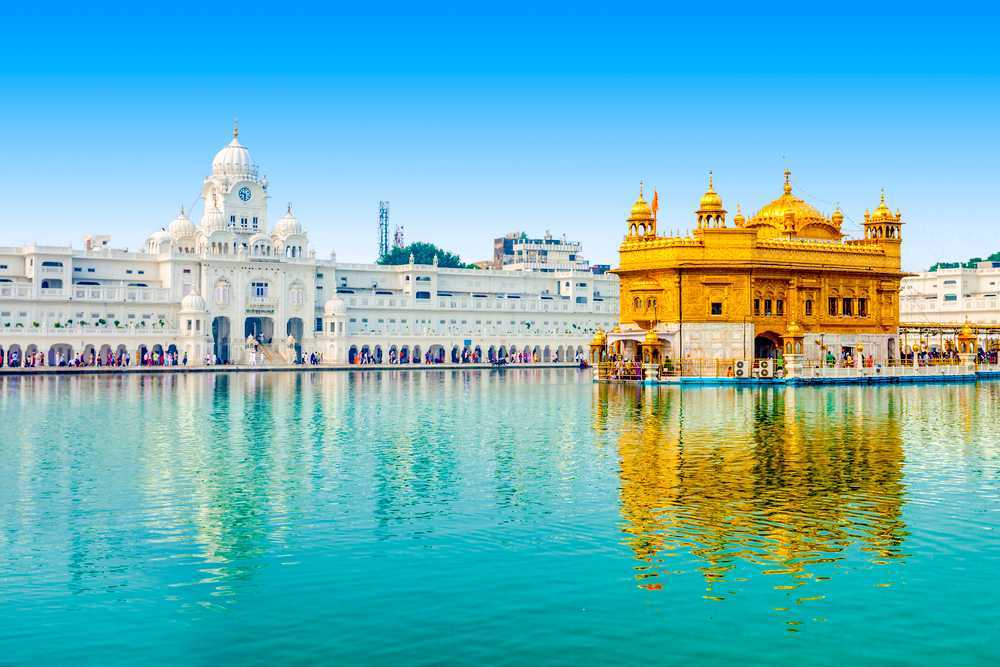
Home of the glorious Golden Temple, the iconic city of Amritsar, portrays the heroic character of the Punjab. A day in this peaceful city starts with the spiritual prayers from Gurudwaras. The original name of first the ancient lake, then of the temple complex, and later the surrounding city, meaning "pool of ambrosial nectar."
Amritsar is the spiritual and cultural centre of the Sikh Religion. Baisakhi festival brings out Amritsar's resplendent face with its finest food, clothes and merry-making. This place is also famous for its Jallianwala Bagh massacre and its proximity to Wagah Border. The satiating food and generous dollops of legendary Punjabi hospitality further connive to cast a spell upon the visitor. From the Operation Blue Star in the Golden Temple to the tragedy of the Jallianwala Bagh massacre, Amritsar has seen the worst of situations and yet emerged like a phoenix through testing times. Amritsar today is a thriving city with active trade and tourism industries. One of the most agriculturally productive cities of India, Amritsar is well connected with most of the important cities of India.
4. Basilica of Bom Jesus - A Portuguese Marvel
 Book your tickets here!
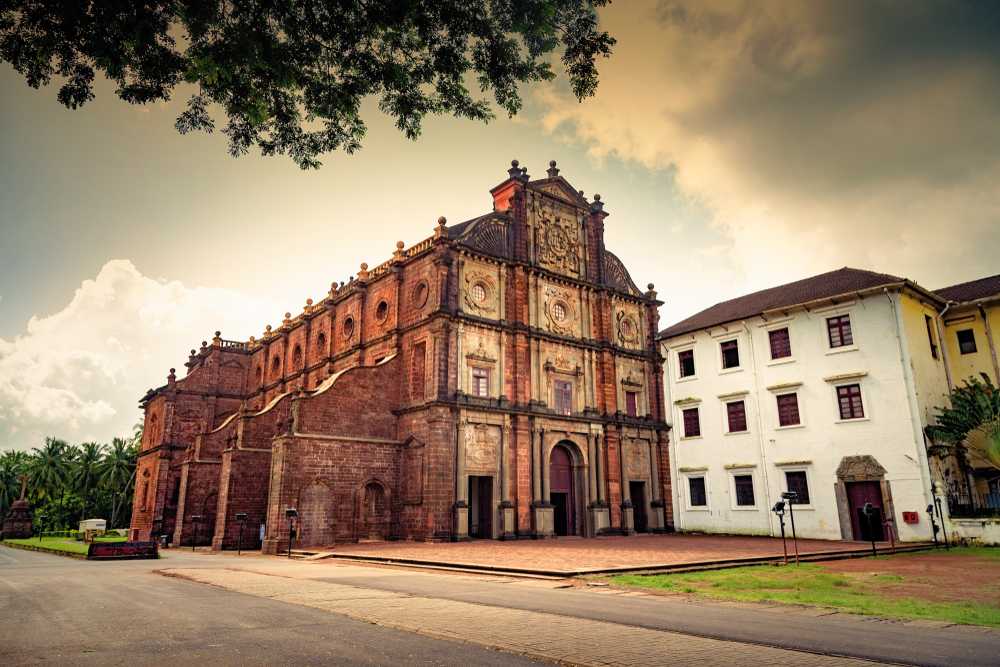
The Basilica of Bom Jesus Church located in Goa is one of a kind in India and is known for its exemplary baroque architecture. Built in 1594 and consecrated in 1605, the building of this church coincides with the beginning of Christianity in India. The church is located in Old Goa in Bainguinim about 10 km away from Panjim. The oldest church in Goa, it holds the remains of St. Francis Xavier, a special friend of St. Ignatius Loyola with whom he founded the Society of Jesus (Jesuits). Even after 400 years, the remains are in good condition and are taken out once every decade.
A site with rich cultural and religious significance, the Basilica of Bom Jesus has been declared a World Heritage Site by UNESCO. Literally translating to 'Holy Jesus', this is the only church in Old Goa that is not been plastered on the outside. The facade of the church has triangular roofing which is delicately carved with the initials 'IHS', which is an abbreviation for Jesuit emblem meaning 'Jesus, Saviour of Men'.
Inside, the floor of the Basilica is made of marble mosaic with precious stones, giving it a solemn appearance. The interior is embellished with a screen that runs from the floor to the ceiling and has the image of St. Ignatius Loyola protecting an infant Jesus. Above all is the image of the Holy Trinity, which is the most sacred symbol in Christianity. The Basilica of Bom Jesus is over 408 years old and is open to the public every day.
Copyright ©2020 All rights reserved