Historical Places Reflecting the Splendid Heritage and Culture
1. Delhi - Magnanimous and Dildaar
 Book your tickets here!
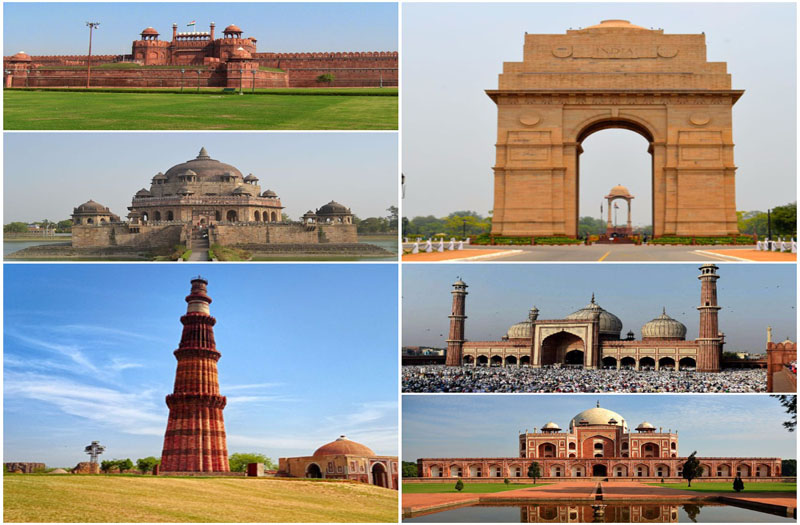
Delhi is one of the most important historical cities. It has a rich historical background. One finds Delhi a land of magnificent ruined tombs and temples, mausoleums and monuments and of forts and fortresses. Delhi has been the seat of power of many ancient empires, kingdoms and invaders. Delhi was also the centre of great Indian movements. It was the capital of ancient Hindu kingdom as well as that of Mughal emperors. Factually speaking, Delhi is the star city for Indians and foreigners because of its great and rich historical background. It has been ravaged and rebuilt seven times.
Delhi was named ‘Indraprashtha’ by Pandavas and remained the capital of Hindu kingdoms for thousands of years. The Muslim kings also made it their capital, though every Muslim King rehabilitated it at a particular place around the walled city. For example, the present Delhi was founded by Shah Jahan. Red Fort was a grand palace. Delhi of Shah Jahan’s days was founded near Red Fort and Chandni Chowk. Chandni Chowk used to have a beautiful lake during the days of Shah Jahan. During the reign of Qutabudin-Aibak and Altumash, Delhi was situated around Qutab Minar and Mehrauli. When the Lodi dynasty came into power, they made areas near Lodi tombs and Lodi gardens as their official workplaces. The other Muslim kings settled at the places of their own choice. During the days of the Pandavas, Delhi was situated at Old Fort and its periphery.
Around the city of Delhi, there used to be a big wall. The city of Delhi presents a beautiful picture of India’s past. It has many historical buildings and spectacular monuments. Humayun’s tomb, a majestic piece of art and architecture, was built by his wife. Qutab Minar is another tower of great importance that was built by Qutabuddin-Aibak and completed by Altumash, the Muslim king. There are also the tombs of Safdarjang and Nizamuddin. These tombs are now ruined and broken while some have been preserved properly.
2. Victoria Memorial - An Ancient Relic
 Book your tickets here!
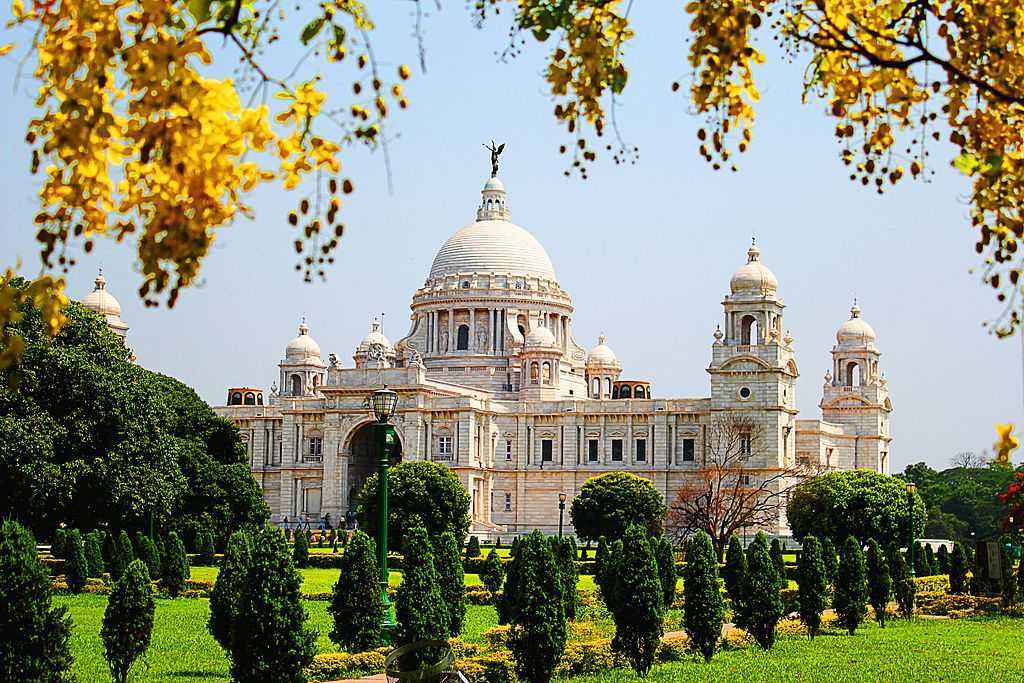
Another relic of the British Raj in India, the Victoria Memorial is located in the heart of Kolkata, in West Bengal. This white marbled opulent structure was built in memory of Queen Victoria to celebrate her 25 years of rule over India and is almost a replica of the Victoria Memorial in London. Victoria Memorial is an iconic structure that is synonymous with the city of joy!
The memorial is surrounded by a lush green and well-maintained garden, which spreads over 64 acres and has numerous statues and sculptures in it. A sixteen-foot tall bronze statue of victory, mounted on ball bearings at the top of the memorial, serves to heighten the overall appeal and grandeur of the entire complex. Victoria Memorial is breathtaking and marvellous, especially at night, when it is illuminated. The Sound and Light shows that take place in the evening are an added delight, and a must watch. All in all, the place is a must visit for people to wish to relive the essence of the Victorian era in the modern day world.
3. Jallianwala Bagh - A Sad Memorial
 Book your tickets here!
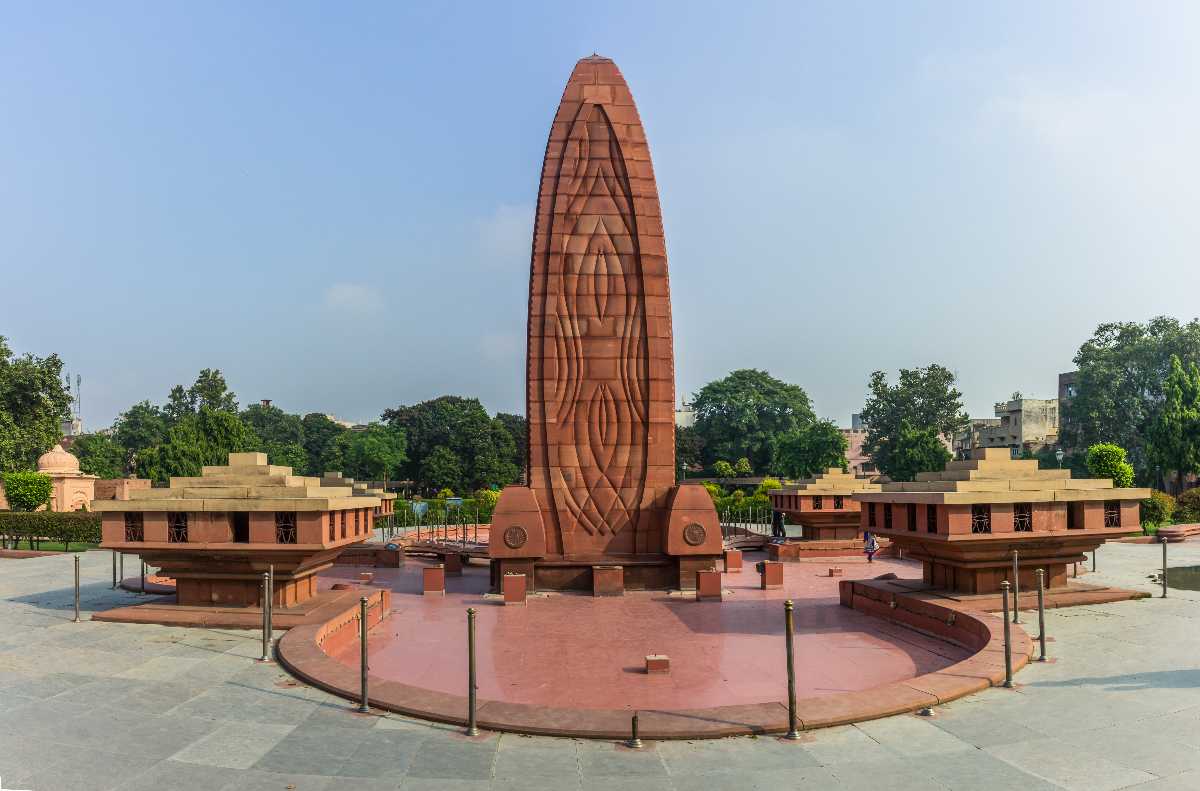
Located near the famous Golden Temple of Amritsar, Jallianwala Bagh is a public garden that also houses a memorial to commemorate the massacre of peaceful celebrators by the British forces. Spread over 6.5 acres of land, Jallianwala Bagh is associated with one of the saddest days in Indian History when thousands of innocent people were killed on the orders of General Dyer as they gathered for a peaceful celebration of Baisakhi. The place has now been turned into a beautiful park and is managed by the Jallianwala Bagh National Memorial Trust.
There is a memorial tablet at the entrance which serves as a record of history. The tragic incident left a deep scar on the country, and a memorial was constructed post the independence for the innocents who lost their lives in this devastating incident. Established by the government of India in 1951, the massacre memorial was inaugurated by Dr Rajendra Prasad on 13th April 1961.
A number of structures are present inside the premises which resound of the atrocities that occurred here. These include a wall which still bears the marks of the bullets that were hurled blindly at the civilians and a well in which many people jumped to save themselves from the onslaught of the bullets. It is estimated that over a 1000 Hindus, Muslims and Sikhs lost their lives in this brutal assault. a narrow alley of immense historical importance passes through here. An air of eerie calm still lingers over the Jallianwala Bagh and gives one a feeling of indescribable sadness and peace.
4. Hampi - The Abode of Bygone Ruins & Rusty Colors
 Book your tickets here!
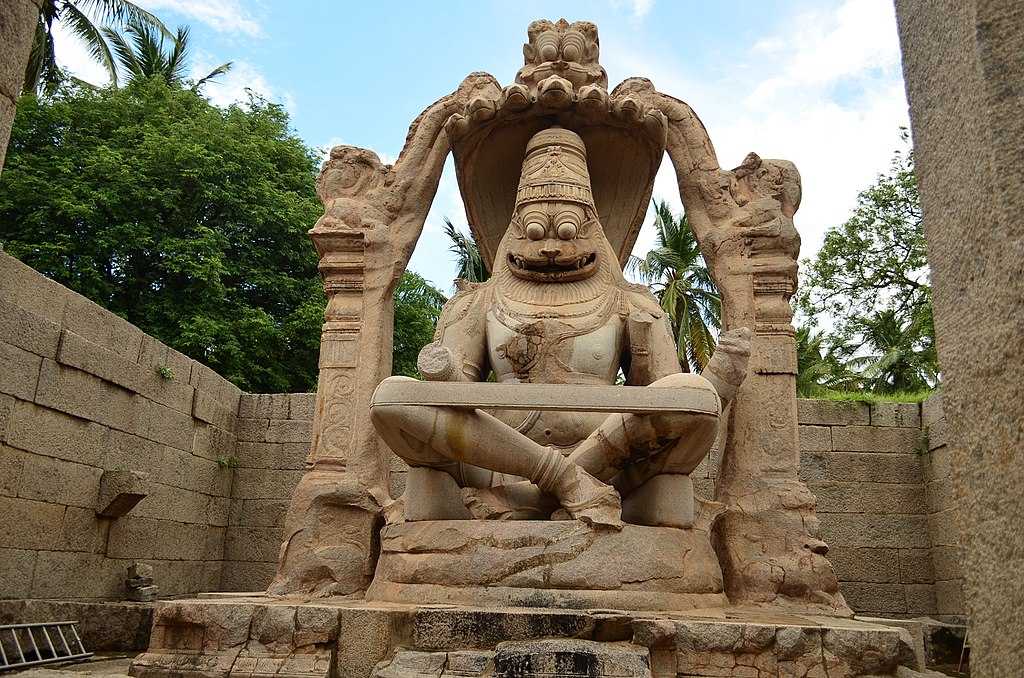
Hampi, the city of ruins, is a UNESCO World Heritage Site. Situated in the shadowed depth of hills and valleys in the state of Karnataka, this place is a historical delight for travellers. Surrounded by 500 ancient monuments, beautiful temples, bustling street markets, bastions, treasury building and captivating remains of Vijayanagar Empire, Hampi is a backpacker's delight. Hampi is an open museum with 100+ locations to explore and a favourite way to see the city from the perspective of its history.
Hampi was the capital of the Vijayanagar empire around 1500 AD, and by some accounts, the second largest city in the world at that time. Over the next centuries it fell out of importance, and now you can explore the ruins of a lot of temples and other structures spread out over a vast area. The terrain around Hampi is as mysterious as the ruins itself - the city is surrounded by boulders of different sizes, and you can climb to the top of them with a little effort to get a stunning view of the entire city and the geography. It is located on the banks of the Tungabhadra River. Famous for its massive, beautifully carved temples, especially the Virupaksha Temple, dedicated to the patron deity of the empire. You can also find remains of the old aqueducts, canals and military barracks and stables here. Hampi was declared a UNESCO World Heritage site in 1986 and many efforts have been taken to restore the lost glory of the place - very limited (if any) modern establishments are allowed in the main area, which gives an authentic feel to the ruins.
Copyright ©2020 All rights reserved